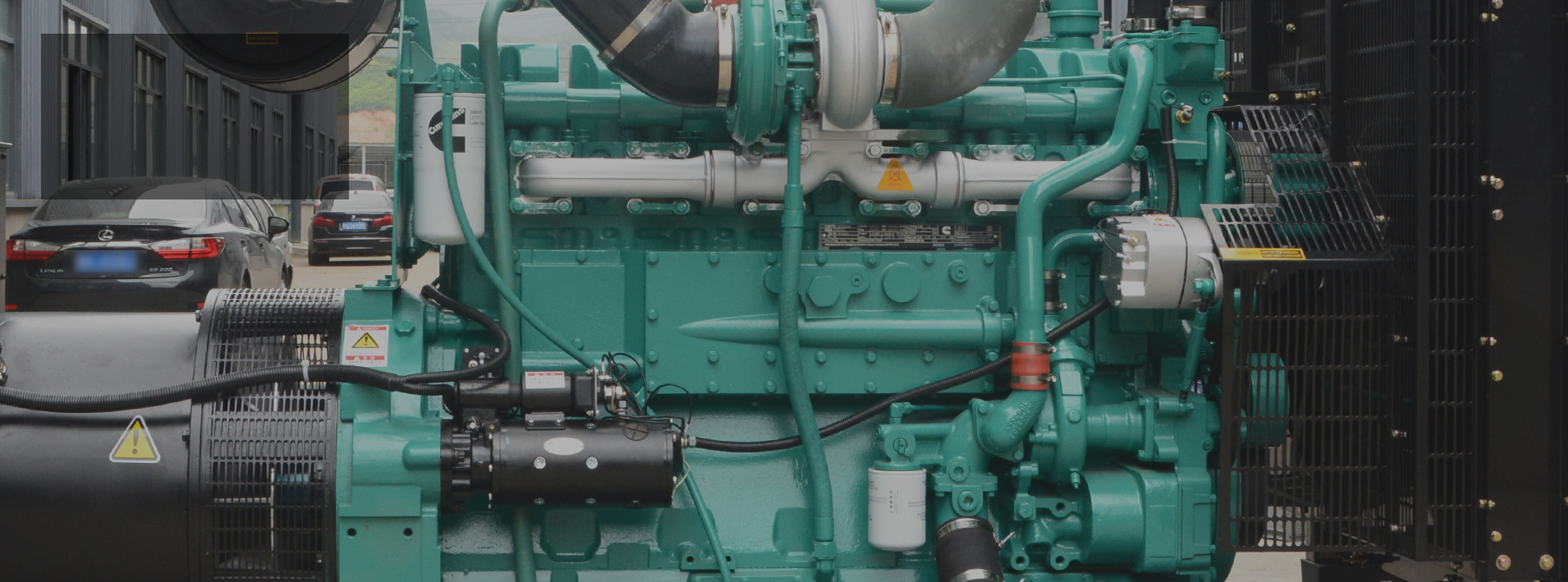
What Seems “Reasonable” May Be Damaging Your Generator
As temperatures continue to drop in winter, ensuring the stable operation of diesel generator sets becomes increasingly critical, although it is well-known engine like Cummins, Perkins or Weichai. Low temperatures can significantly affect starting performance, fuel systems, and cooling systems. However, in real-world winter maintenance, some practices that appear reasonable may actually hide serious risks. These mistakes not only fail to protect the equipment but can also cause damage and even compromise emergency power supply reliability.
Below are three common winter maintenance misconceptions that deserve special attention.
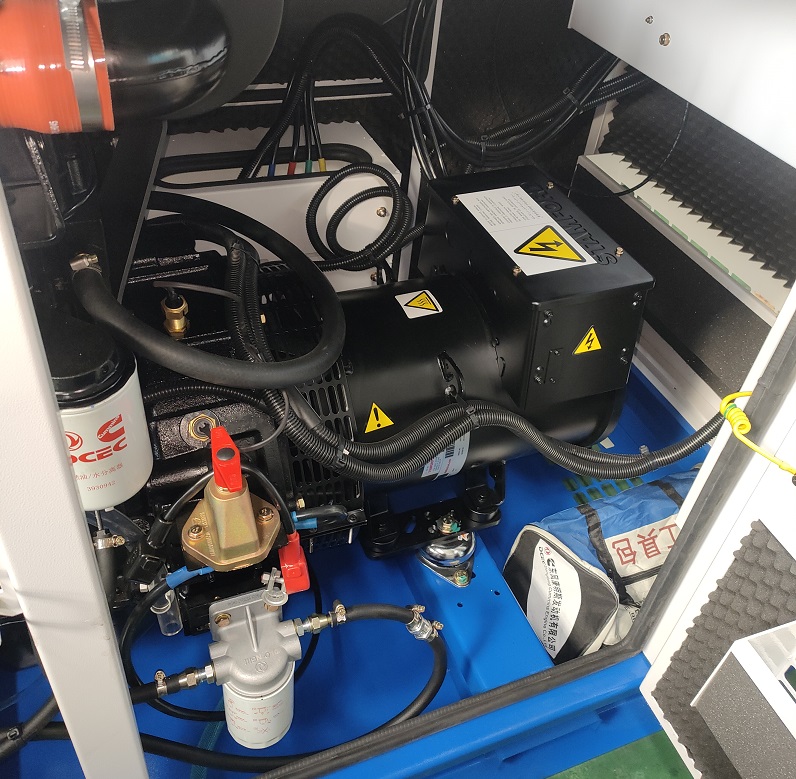
Many users believe that standby generator sets do not require regular maintenance if they are not running. This passive approach is one of the most common causes of winter failures.
In reality, long-term static storage is often more harmful than regular operation. Fuel degradation, battery discharge, seal aging, and oil drainage occur silently during idle periods. When a power outage happens, discovering that the generator cannot start is often too late.
Correct practice:
Establish a regular inspection schedule
Run the generator under load or simulated load at least once per month for no less than 30 minutes
Check key operating parameters such as voltage, current, frequency, coolant temperature, and oil pressure
“Running the generator to maintain it” is essential to ensure reliable winter performance.
Some maintenance personnel rely heavily on outdated experience, such as:
Using standard diesel fuel instead of low pour-point diesel in cold weather
Skipping or improperly adding anti-gel additives and coolant antifreeze
Believing manual adjustments are more reliable than electronic control systems
However, modern diesel generator sets are highly electronically controlled. Fuel injection systems are extremely sensitive to fuel cleanliness, injection pressure, and timing. Experience-based maintenance that conflicts with modern technology can easily lead to injector damage, fuel pump failure, and poor combustion.
Correct practice:
Strictly follow the manufacturer’s technical manuals
Use diesel fuel suitable for low-temperature environments
Apply approved antifreeze, lubricating oil, and filtration systems
Avoid unauthorized parameter adjustments on electronic control systems
Winter maintenance must be standardized and data-driven, not experience-driven.
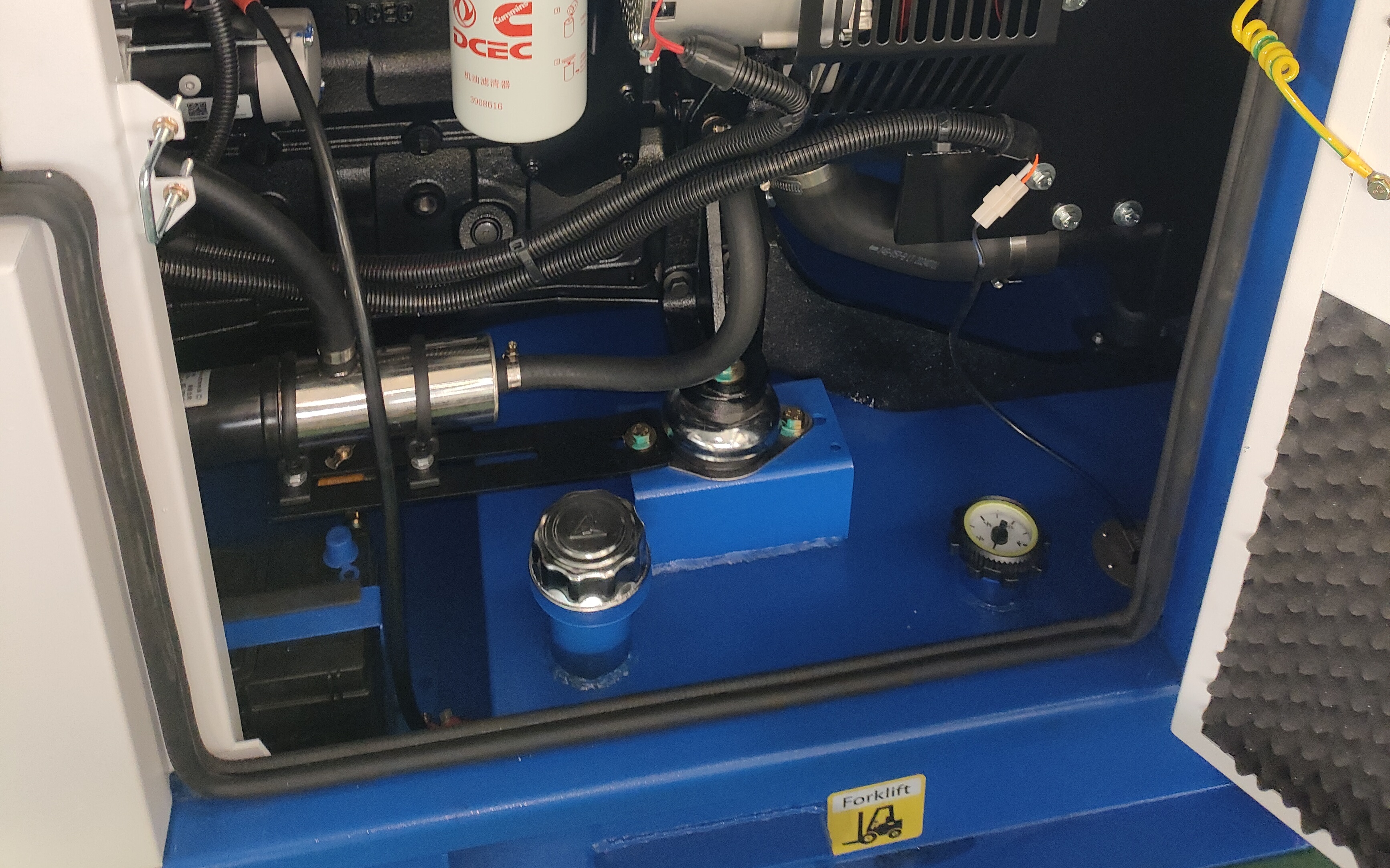
To prevent freezing, some users drain coolant immediately after shutdown or release cooling water while the engine is still hot. This practice is especially dangerous in winter.
When a generator is shut down, the engine components remain at high temperature. Immediate coolant drainage or exposure to cold air can cause severe thermal shock, leading to cracks in the cylinder head, engine block, or water jacket.
In addition, the following dangerous practices must be strictly avoided:
Using open flames to heat the engine
Starting the engine without coolant and adding water afterward
These methods can cause irreversible damage to critical components.
Correct practice:
Allow the generator to idle after shutdown
Drain coolant only after the coolant temperature has dropped sufficiently
In extremely cold regions, prioritize the use of high-quality antifreeze instead of frequent drainage
Winter is a high-risk season for diesel generator failures and a true test of maintenance management. Reliable winter operation does not depend on emergency fixes but on avoiding incorrect practices, following technical standards, and performing regular preventive maintenance.
By avoiding these three common mistakes, diesel generator sets can maintain stable, reliable operation even in harsh winter conditions—ensuring dependable power when it matters most.
Are you looking for Chinese generator? Contact us right now to get factory direct sale price.





Tél : +86-591-86397381
E-mail : sale@hosempower.com
Whatsapp :+8613205904365
Adresse : C2 Building, Cangshan Wanda Plaza, No. 216 Pushang Road, Fuzhou City, Fujian, China.
droits d\'auteur © 2026 Fuzhou Hosem Power Co., Ltd. Tous les droits sont réservés
 IPv6 réseau pris en charge