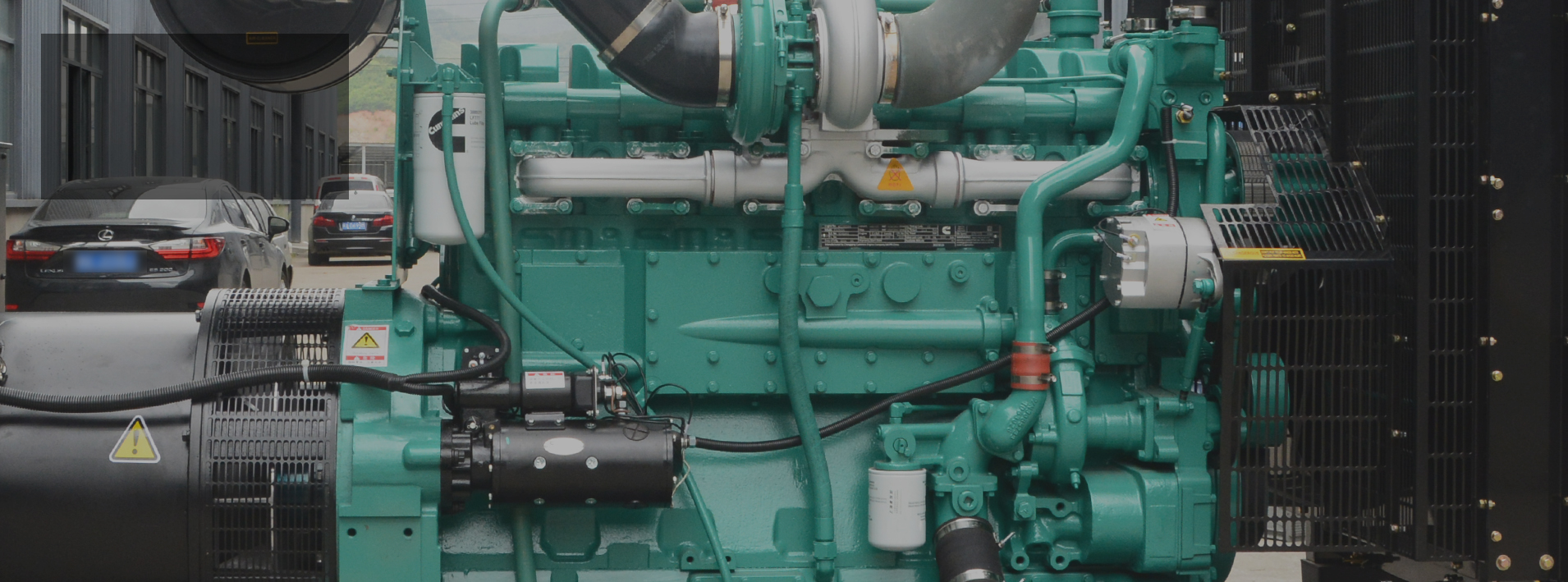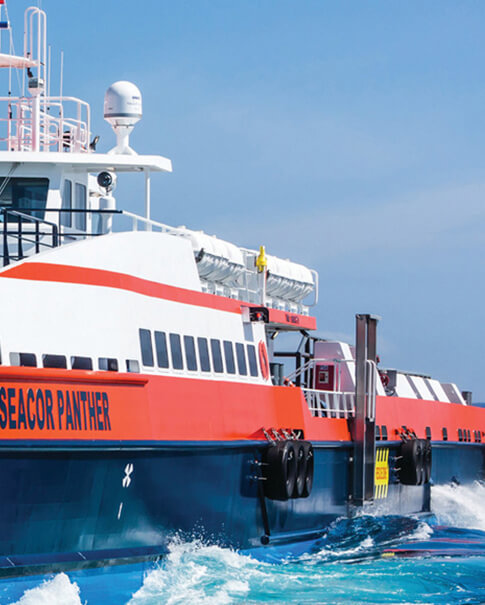
Communication networks have become an essential part of modern life, covering almost every environment, from busy cities and residential areas to remote mountains, coastal regions, and offshore islands.
Many telecom base stations operate without on-site personnel. When the utility power supply fails, backup batteries can only keep the communication equipment running for a limited period. Once battery capacity is exhausted, a reliable diesel generator becomes essential to maintain network availability and prevent communication interruptions.
However, telecom base stations have very different operating requirements from ordinary industrial applications. Simply selecting a standard diesel generator may lead to starting failures, poor power quality, harmonic interference, frequent breakdowns, and unnecessarily high maintenance costs.
So, what should you consider when selecting a brushless synchronous diesel generator for a telecom base station?
Based on our experience in the diesel generator industry, let's look at the key requirements.
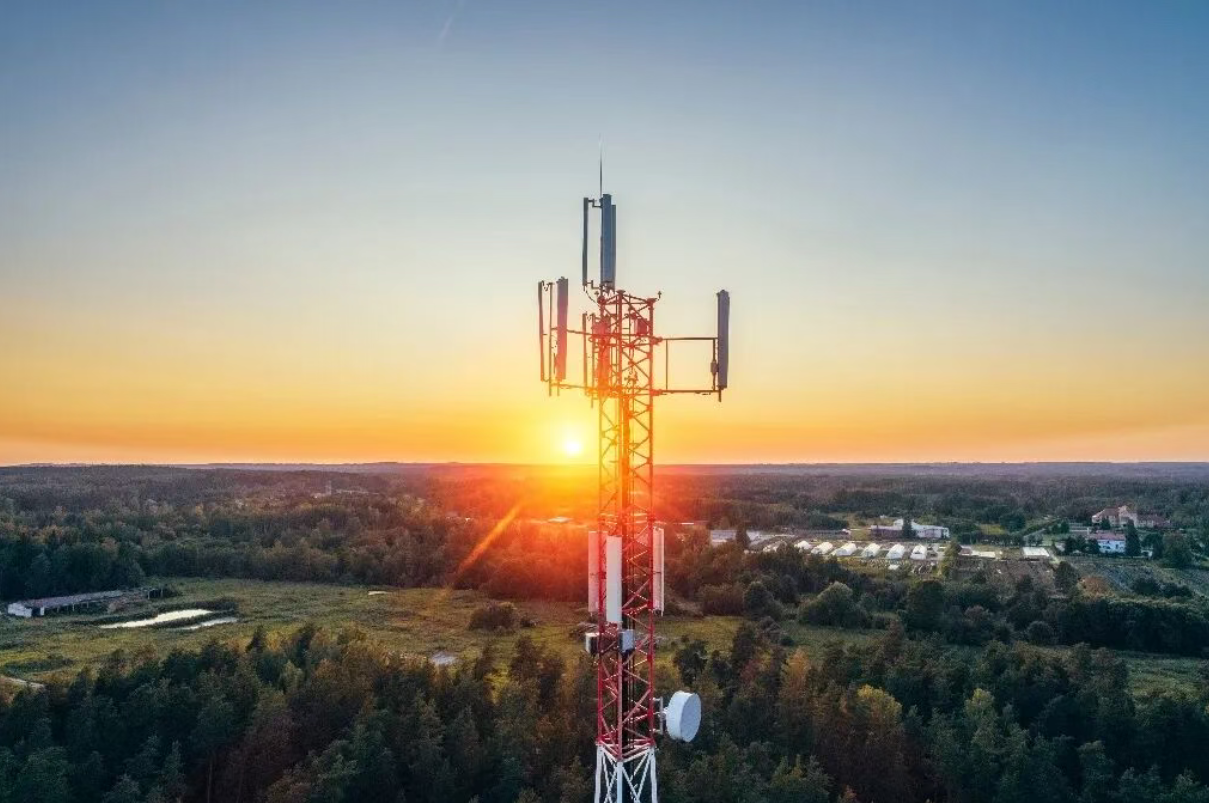
Before selecting a generator, it is important to understand the unique environmental conditions, electrical loads, and operating requirements of telecom base stations.
Telecom base stations are installed in many different locations, including:
Urban rooftops and residential communities
Remote mountains and rural areas
Coastal regions and offshore islands
High-altitude areas
Hot and humid tropical environments
These locations expose generator sets to various environmental challenges, such as high ambient temperatures, extreme cold, salt spray corrosion, heavy dust, high humidity, and condensation.
Therefore, the generator must be properly configured according to the actual installation environment.
Many remote telecom base stations have no permanent maintenance personnel. Some locations may only receive routine inspections every few weeks or months.
This means the generator must offer:
Reliable automatic starting
Stable long-term standby performance
Automatic operation without manual intervention
Comprehensive fault protection
Remote monitoring and alarm functions
A generator that performs well during factory testing but fails to start after several months of standby is not suitable for this application.
Urban telecom base stations, particularly those installed on residential rooftops or near commercial buildings, may face strict noise restrictions.
At the same time, equipment rooms and telecom shelters often have limited installation space.
Therefore, the generator may need a compact, weatherproof, sound-attenuated enclosure that provides effective noise reduction without compromising cooling and ventilation.
The electrical loads of a telecom base station are different from those of ordinary industrial equipment.
Typical loads include:
Telecom switching power supplies
Radio frequency (RF) equipment
Transmission equipment
Air-conditioning systems
Monitoring and security equipment
Battery charging systems
These loads create several important requirements for the generator.
Telecom equipment relies heavily on switching power supplies and electronic control systems.
These devices are sensitive to voltage fluctuations, frequency instability, and excessive harmonic distortion.
Poor power quality may cause equipment malfunctions, unexpected restarts, or even communication service interruptions.
Therefore, the generator must provide stable electrical output with low harmonic distortion.
Although the overall telecom load is relatively stable, some equipment creates short-term power demands.
For example:
Air-conditioning compressors produce high starting currents.
Battery chargers may draw increased current during battery recovery and bulk charging.
The generator must have sufficient capacity to handle these temporary load variations without excessive voltage or frequency fluctuations.
Most telecom generators operate in standby mode.
Under normal conditions, the utility grid supplies electricity while the generator remains on standby. When the grid fails, the generator must start automatically and take over the power supply before the backup batteries are exhausted.
Telecom battery backup duration varies according to system design, battery capacity, and actual load. Some sites may have approximately 2–4 hours of backup time, while others are designed for longer autonomy.
The generator's automatic starting system must therefore be reliable enough to take over before the batteries reach their minimum operating limit.
In major power outages or natural disasters, the generator may also need to operate continuously for dozens of hours.
Based on the above operating conditions, choosing a suitable generator requires more than simply matching the rated kVA.
The following components and technical specifications deserve particular attention.
The engine is the power source of the generator, and its reliability directly affects the generator's ability to provide emergency power.
For telecom applications, the generator may remain unused for long periods and then be required to start immediately when the utility supply fails.
An unreliable engine or poor maintenance arrangement may result in starting failure at the most critical moment.
I recommend choosing an established engine manufacturer with proven reliability and accessible spare parts.
Common engine brands used in this industry include:
The final engine selection should depend on the required generator capacity, local service availability, fuel quality, environmental conditions, and maintenance requirements.
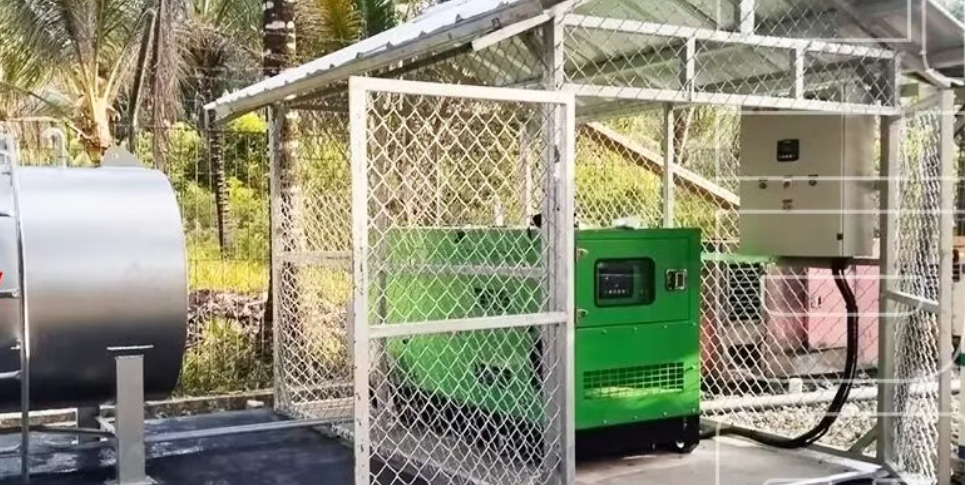
The alternator is another critical component of a telecom generator set.
For telecom applications, I recommend using a high-quality brushless synchronous alternator equipped with an automatic voltage regulator (AVR).
A brushless design eliminates brushes and slip rings, reducing routine maintenance requirements and improving suitability for unattended operation.
More importantly, the alternator must provide stable voltage and low harmonic distortion to protect sensitive electronic equipment.
The following are useful technical targets to consider when specifying an alternator:
| Parameter | Recommended target |
| Steady-state voltage regulation | ±1% or better |
| Transient voltage deviation | Around ±12% or better, subject to load-step conditions |
| Voltage recovery time | Approximately 0.1–0.5 seconds, depending on the load step |
| Voltage THD | ≤3% under specified test conditions |
| Steady-state frequency regulation | Typically ±0.5% or better |
| Voltage regulator | High-quality AVR with good transient response |
Why is harmonic distortion important?
Harmonic distortion refers to unwanted frequency components in the electrical output. Excessive harmonics can cause additional heating in electrical equipment and may affect sensitive electronic loads.
A low-THD alternator helps provide cleaner power and reduces the risk of interference with telecom equipment.
However, actual power quality depends not only on the alternator but also on the connected loads, AVR performance, generator sizing, and operating conditions. Therefore, the specifications should be verified under clearly defined testing conditions.
For unattended telecom base stations, a reliable generator controller is essential.
A suitable controller should provide:
Automatic mains failure (AMF) operation
Automatic generator starting and stopping
Engine and alternator protection
Voltage, current, frequency, and power monitoring
Engine coolant temperature and oil pressure monitoring
Battery voltage monitoring
Fuel level monitoring, where equipped with a suitable sensor
Fault alarms and shutdown protection
More importantly, the controller should support remote communication.
Depending on the project requirements, communication can be established through 4G, Wi-Fi, Ethernet, or RS485.
For telecom operators, the generator may also need to communicate with the operator's remote monitoring system or FSU (Field Supervision Unit) within the site power and environmental monitoring system.
This allows operators to remotely monitor important parameters, receive fault alarms, and, where the system supports it, issue remote start and stop commands.
Remote monitoring can significantly reduce unnecessary site visits and improve maintenance efficiency.
For remote telecom stations, fuel tank capacity is another important consideration.
Since refueling may be difficult or expensive, the generator should have sufficient fuel storage to operate throughout an extended power outage.
For many projects, I recommend considering a fuel supply arrangement capable of supporting 24–48 hours of operation, depending on the site's autonomy requirements.
An external fuel tank can also be installed when a longer operating time is required.
The actual fuel tank capacity should be calculated according to the engine's fuel consumption at the expected operating load.
For example, a generator operating at 50% load will consume a different amount of fuel compared with one operating at full load.
For telecom base stations located in residential areas, noise control is particularly important.
A sound-attenuated enclosure can reduce generator noise and help meet local environmental requirements.
For urban applications, a noise target of approximately 65–70 dB(A) at 7 metres may be considered, subject to local regulations and the actual generator configuration.
Noise reduction should never come at the expense of engine cooling or ventilation.
Different telecom base stations require different generator configurations. Here are some recommendations based on the installation environment.
| Installation environment | Recommended configuration |
|---|---|
| Northern regions with extreme cold | Jacket water heater, suitable low-temperature battery, and cold-weather starting system |
| Coastal areas and offshore islands | Anti-corrosion treatment, salt-spray-resistant components, and anti-condensation protection |
| High-altitude locations | Generator capacity derating according to site altitude and ambient temperature |
| Urban rooftops and residential areas | Silent weatherproof canopy, effective exhaust muffler, and noise reduction |
| Remote mountain stations | Larger fuel storage, remote monitoring, and reliable automatic starting |
| Hot and humid tropical regions | High-temperature radiator, corrosion protection, and suitable electrical enclosure protection |
In northern regions where temperatures can drop significantly below freezing, the generator may require a jacket water heater, suitable battery capacity, and additional cold-weather starting equipment.
These configurations help maintain engine readiness and improve starting reliability.
Salt spray and high humidity can accelerate corrosion, particularly on alternator windings, electrical connections, fasteners, and exposed metal surfaces.
For these locations, I recommend appropriate anti-corrosion treatment, suitable protective coatings, and anti-condensation measures.
At high altitudes, lower air density reduces the amount of oxygen available for combustion and can affect engine output.
Therefore, generator capacity must be selected according to the actual site altitude, ambient temperature, and manufacturer's derating data.
Do not simply select a generator based on its standard sea-level rating.
For generators installed on rooftops or near residential buildings, a properly designed silent enclosure is recommended.
The enclosure must provide effective sound insulation while maintaining sufficient airflow for engine cooling.
A telecom base station is not an ordinary power application. Even a short interruption in communication services can affect a large number of users and businesses.
When selecting a diesel generator for telecom applications, I recommend focusing on five key factors:
Reliable engine: Choose an established engine brand with proven starting performance and accessible spare parts.
High-quality brushless alternator: Ensure stable voltage regulation and low harmonic distortion.
Intelligent control system: Support automatic starting, comprehensive protection, and remote monitoring.
Sufficient fuel storage: Ensure the generator can operate throughout the expected power outage.
Environment-specific configuration: Consider noise reduction, corrosion protection, cold-weather starting, and high-altitude derating.
At Hosem Power, we understand that different telecom projects have different technical and environmental requirements. We provide customized diesel generator solutions with engines from Cummins, Perkins, Isuzu, Yanmar, Kubota, SDEC, and other established manufacturers.
Whether your project involves an urban rooftop base station, a remote mountain site, or a coastal telecom facility, our team can help you select a suitable generator configuration.
Looking for a reliable diesel generator for your telecom base station?
Contact Hosem Power today for professional technical support and factory-direct pricing.





Tél : +86-591-86397381
E-mail : sale@hosempower.com
Whatsapp :+8613205904365
Adresse : C2 Building, Cangshan Wanda Plaza, No. 216 Pushang Road, Fuzhou City, Fujian, China.
droits d\'auteur © 2026 Fuzhou Hosem Power Co., Ltd. Tous les droits sont réservés
 IPv6 réseau pris en charge